Welcome to the Supplement Circus: What Helps, What Harms, and What’s Just Expensive Pee.
The supplement world has exploded in a way that makes even the most health-conscious person feel confused. There are endless bottles labelled with promises of better sleep, clearer skin, sharper focus and more energy — but very little clarity on what actually works, what’s marketing, and what’s unnecessary.
Supplements exist in a space where regulation varies, ingredient quality differs dramatically, and the loudest brands aren’t always the most effective. As a result, people end up with shelves full of capsules and powders, taking things because they “might” help rather than because their body actually needs them.
This creates a sense of paralysis: too many options, too many claims, and too little guidance on how to build a routine that genuinely supports wellbeing.
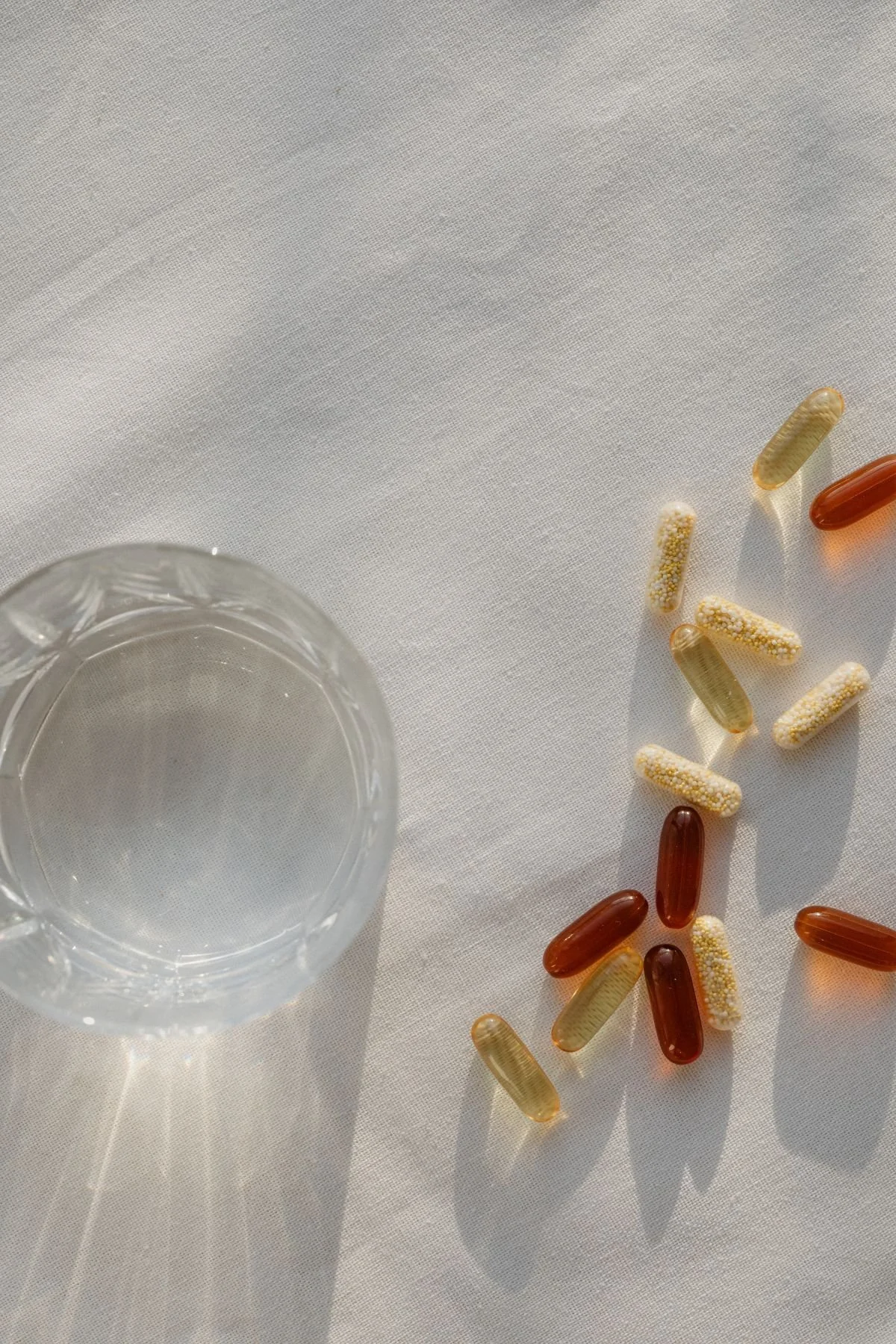
Supplements aren’t magic, and they aren’t medicine; they’re support tools. Their purpose is to fill gaps, correct deficiencies or enhance certain functions when lifestyle alone isn’t enough. Most people benefit from a small number of high-quality, well-chosen supplements — not entire regimes. Supplements work best when they’re targeted and intentional, not when they’re stacked indiscriminately.
Vitamins and minerals have specific roles in the body, specific doses that are effective, and specific forms that are better absorbed than others. Understanding supplements begins with recognising that they should add to a healthy foundation, not compensate for the lack of one.
Quality Over Quantity
Quality varies enormously from brand to brand. Some supplements use highly bioavailable forms that the body absorbs easily, while others use cheaper, poorly absorbed versions that pass through the system with minimal impact. Marketing can be misleading: minimalist packaging and words like “pure,” “natural” or “clean” don’t guarantee anything. What matters is the manufacturing process, third-party testing, the form of the nutrient, and whether the brand discloses the full ingredient list.
Common red flags include:
Long lists of fillers, binders, coatings or artificial colours
“Proprietary blends” that hide the real doses
Ultra-cheap versions of nutrients that are normally costly
Megadoses that far exceed safe ranges
Supplements promising dramatic results in days
When choosing supplements, transparency and bioavailability matter more than branding.

Longevity Supplements
The buzzwords: NMN, NR, Resveratrol, Liposomal Glutathione — they’re all linked to mitochondrial health and cellular repair. You won’t get a caffeine-like high. Longevity supplements are quiet investors — they protect your future health by slowing decline and improving cellular resilience. Most people notice indirect benefits (better energy stability, sleep quality, and recovery) after consistent use over months.
NMN (Nicotinamide Mononucleotide): A precursor to NAD+, which fuels cellular energy and DNA repair. You won’t “feel” it instantly, but it’s believed to slow cellular decline over time — think better recovery, skin health, and metabolic function.
NR (Nicotinamide Riboside): Similar to NMN, often used interchangeably. Both support mitochondrial function, with some studies suggesting mild energy boosts or mental clarity after a few weeks.
Resveratrol (found in grapes and red wine): Works synergistically with NMN to activate longevity genes (sirtuins). Effects are subtle — think protection against oxidative stress rather than a visible glow.
Liposomal Glutathione: A powerful antioxidant delivered in a way your body can actually absorb. Can help with detoxification, skin clarity, and immune regulation — more “short-term noticeable.”
🍄 The Mushroom Moment — Hype or Help?
Mushrooms have exploded into wellness culture — from matcha-mushroom lattes to capsules that claim to “rewire your focus.” The truth: not a gimmick, but not magic either. They’re powerful when used right, subtle when over-sold.
Here’s the breakdown:
Lion’s Mane: Best known for brain health — may boost focus, memory, and nerve regeneration. Great for brain fog and creative flow.
Reishi: The “chill” mushroom. Supports sleep, immunity, and stress balance. Often used in evening blends.
Cordyceps: The energy one. Improves oxygen uptake and endurance — loved by athletes.
Chaga: High in antioxidants — supports immune defence and inflammation control.
Turkey Tail: Gut and immunity support — feeds beneficial bacteria and supports recovery.
Mushroom supplements aren’t a placebo — but they’re not an instant fix either. Think of them as gentle adaptogens. You’ll rarely “feel” them the way you do caffeine, but they work quietly over time, tuning your nervous and immune systems for better balance. Just make sure your blend is dual-extracted — that’s what actually pulls out the beneficial compounds.
Overdosing on Supplements
Over-supplementation is surprisingly common. Taking unnecessary vitamins can strain the liver, kidneys and digestive system. Fat-soluble vitamins can accumulate in the body to unsafe levels. Too much zinc can deplete copper; too much calcium can contribute to kidney stones; excessive antioxidants can interfere with exercise benefits. Even helpful supplements, when taken excessively, can disrupt internal balance. If you feel worse — more fatigued, bloated, foggy or irritable — after starting a supplement routine, that’s a clear sign to reassess rather than add more
⚖️ Supplements That Don’t Work Well Together
Not all supplements play nicely together. When you stack too many, or pair the wrong ones, they can cancel each other out or even compete for absorption. Think of supplements like friendships: some lift each other up, others quietly sabotage progress. For example:
1. Iron + Calcium: Both use the same receptors in the gut, meaning they compete for absorption.
2. Zinc + Copper: These two minerals are like siblings fighting for attention — too much zinc can block copper absorption.
3. Magnesium + High-Dose Zinc: While both are essential for recovery, too much zinc can inhibit magnesium uptake.
4. Green Tea + Iron: Green tea’s polyphenols can bind to iron and reduce absorption.
5. Vitamin E + Vitamin K: In very high doses, vitamin E can interfere with vitamin K’s clotting functions.
6. Fish Oil + Blood Thinners: Both thin the blood — a double effect that can lead to bruising or bleeding issues.
Supplements Can Have Side Effects
Taking too many supplements together is one of the biggest causes of digestive discomfort — spacing them out can significantly improve tolerance. Even though they’re marketed as “natural,” certain vitamins and herbal blends can interact with medications or overload your system if taken in excess. For example,
Vitamin A can cause headaches and dizziness when overused.
Iron can lead to stomach cramps or constipation.
Magnesium can cause diarrhoea in high doses.
St John’s Wort, often taken for mood, can interfere with antidepressants or birth control.
Ashwagandha may trigger anxiety or thyroid changes in some people.
Melatonin can leave you groggy or disrupt your sleep cycle if taken too often.
B-complex vitamins can cause jitters or headaches if the dose is too strong.
Remember, they’re still active compounds — and your body’s balance depends on getting the right dose, for the right person, at the right time. Taking many supplements on an empty stomach often leads to acid reflux or stomach irritation. These symptoms don’t always mean the supplement is “bad” — they often signal that the timing, dose or form needs adjusting.
Timing matters.
Some supplements work best when synced with your body’s natural rhythm — energy-boosting ones like B-vitamins or iron are better taken in the morning, while magnesium, zinc, and sleep-supporting herbs like ashwagandha or valerian are best saved for evening. Taking them at the wrong time can blunt their benefits or even disrupt your sleep and energy balance. So it’s worth knowing what works when before you start stacking your routine.
⏳ Consistency: The Underrated Supplement Rule
Supplements aren’t like caffeine — you don’t always feel them kick in. They’re more like building blocks: what matters most is consistency. Your body works on stores, cycles, and saturation levels. Miss a few days, and you won’t fall off a cliff. But stop completely, and the system you’ve been supporting slowly slides back to baseline. This does differ depending on what you are taking, some prefer consistency, and some are easier or more beneficial with breaks. For example:
Vitamin D: It’s crucial in the darker months, when sunlight exposure is low. Missing a few days won’t undo progress, but stopping for weeks means your reserves deplete and immunity dips.
Magnesium: It supports sleep, stress, and muscle recovery — all daily processes. This one works best as a rhythm. Take it every night or most nights, especially if you’re training, stressed, or not getting enough greens and nuts.
Iron: Iron stores take a while to build, and also a while to drop — but if you’re prone to low levels, skipping weeks can cause fatigue and cold hands/feet to creep back in.
Probiotics: Gut bacteria need daily support. Stop, and the beneficial strains you’ve been feeding fade within days. Think of them like watering plants — stop watering, and they wither. Consistency equals stability.
Omega-3 / Fish Oil: These fatty acids build up in cell membranes over time, so they’re more forgiving. But long breaks mean your anti-inflammatory benefits taper off. Miss a few days? No issue. Stop for a month? You’ll feel the difference in joint stiffness, mood, and skin.
Collagen & Skin Supplements: You might notice skin and nail strength slowly decline after a few weeks on stopping. Collagen is a “slow-build” nutrient. Best to stay consistent to maintain them.
Vitamin C: Stored briefly — easy to top up through food. Perfect to dip in and out, or boost when you feel run-down.
Electrolytes: Use as needed — ideal during hot days, intense workouts, or travel. Not essential daily.
Adaptogens (Ashwagandha, Rhodiola, etc.): Best taken in cycles — 6–8 weeks on, then a short break. They reset your stress response over time, but don’t need to be constant.
Digestive Enzymes / Activated Charcoal: Use situationally — for heavy meals or bloating, not every day.
Adapt With Your Climate
Your environment plays a major role in what your body actually requires. A supplement routine that makes sense in the UK may be unnecessary in Spain, Greece or Dubai.
Being in a sunny country doesn’t automatically mean you’re making vitamin D. SPF, darker skin tones, indoor living and polluted environments can all block UVB exposure. If you’re genuinely getting 15–20 minutes of direct midday sunlight on bare skin, you may reduce or pause vitamin D. If not, continuing through travel is wise.
In places like the UK, Ireland, Canada or Scandinavia, vitamin D becomes essential for most of the year. Omega-3 and magnesium also play more important roles in cold-weather mood, sleep and energy stability.
When You Go on Holiday, travel changes your body’s rhythm. You may want to consider probiotics (food changes), electrolytes (heat) etc. Avoid starting new supplements on holiday, as reactions may be confusing.
The Fallon Takeaway
Supplements shouldn’t be confusing or intimidating, and they certainly shouldn’t complicate your wellness routine. The goal is clarity: understanding what your body genuinely needs, choosing high-quality forms, taking them at the right time and paying attention to how they make you feel. Supplements work best when they’re intentional — not when they’re stacked out of fear, habit or marketing pressure. With the right choices, they become powerful tools that support energy, mood, sleep, immunity and long-term wellbeing without overwhelming the body. The key is simplicity, awareness and alignment.
Love from Fallon, with intention xox
Disclaimer
The content provided in our articles is provided for information purposes only and is not a substitute for professional advice and consultation, including professional medical advice and consultation; it is provided with the understanding that Fallon is not engaged in the provision or rendering of medical advice or services. The opinions and content included in the articles are the views only and may not be scientifically factual. You understand and agree by reading anything on our website that Fallon shall not be liable for any claim, loss, or damage arising out of the use of, or reliance upon any content or information published. You acknowledge and agree that Fallon, its authors, and contributors are not liable for any adverse reactions or consequences resulting from the use or misuse of the information provided. Always exercise caution and prioritise your health and safety. Images are from Pinterest, if you know the original creator please let us know, so that we can credit them.